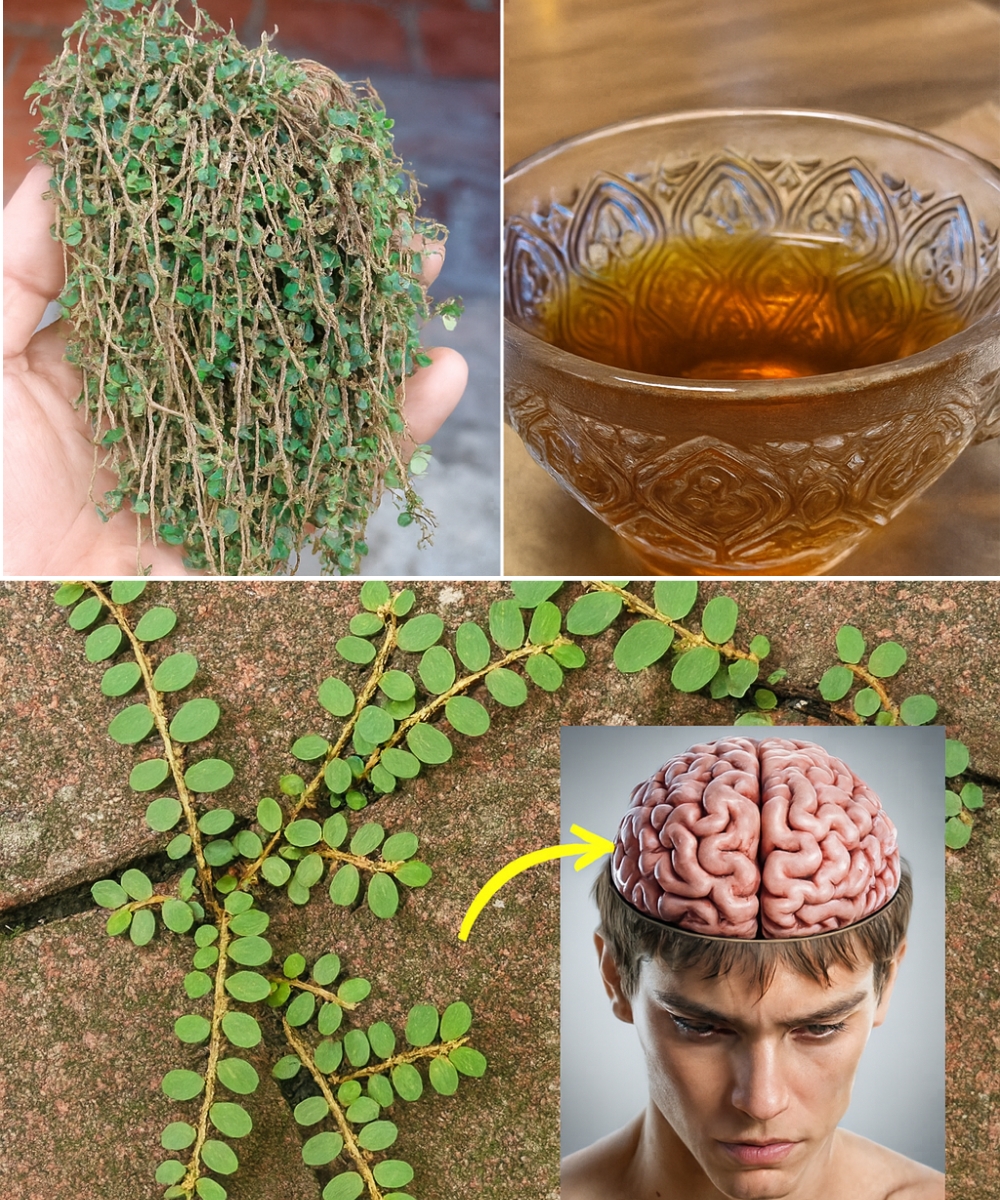
You know how sometimes the plants we call “weeds” are actually nature’s quiet little healers? Euphorbia thymifolia — also called small-leaved spurge or “asthma weed” — is one of those. It scrambles along the ground, with tiny oval leaves, reddish stems, and a milky sap that doesn’t look like much … but it’s been used in traditional systems like Ayurveda for ages.
In folk medicine, this modest plant has earned its place as a multi-tool: it’s antimicrobial, anti-inflammatory, and soothing. Healers have used its milky juice on minor wounds or eczema. They brew its leaves into a tea for coughs, bronchitis, or asthma — that’s where it gets the nickname “asthma weed.” Internally, it’s also been used to calm digestive upsets like diarrhea, dysentery, and even intestinal worms.
Women’s health traditions have tapped into its power, too: warm infusions of the leaves help ease menstrual discomfort and heavy bleeding. And because the plant is rich in antioxidants, people believe it strengthens the immune system, helping our bodies stay resilient. Its anti-inflammatory side is helpful for swelling, soreness, or joint discomfort — whether applied externally or taken as a mild tea.
If you want to try it, you can make a simple herbal infusion: gently boil a handful of fresh or dried leaves, strain, and sip once or twice a day. For skin issues, a tiny dab of the sap (always patch-test first) can help — but be cautious, since the latex can be irritating in some people. As with all powerful herbs, especially ones with milky sap, it’s wise to use under guidance, and avoid use if you’re pregnant, nursing, or already on medication.
So next time you spot that little creeping plant in a neglected corner of your garden or along a path — don’t be too quick to pull it. It may just be a humble weed, but in its softness lies a quiet strength. Nature has a way of hiding its treasures in the most unassuming places.