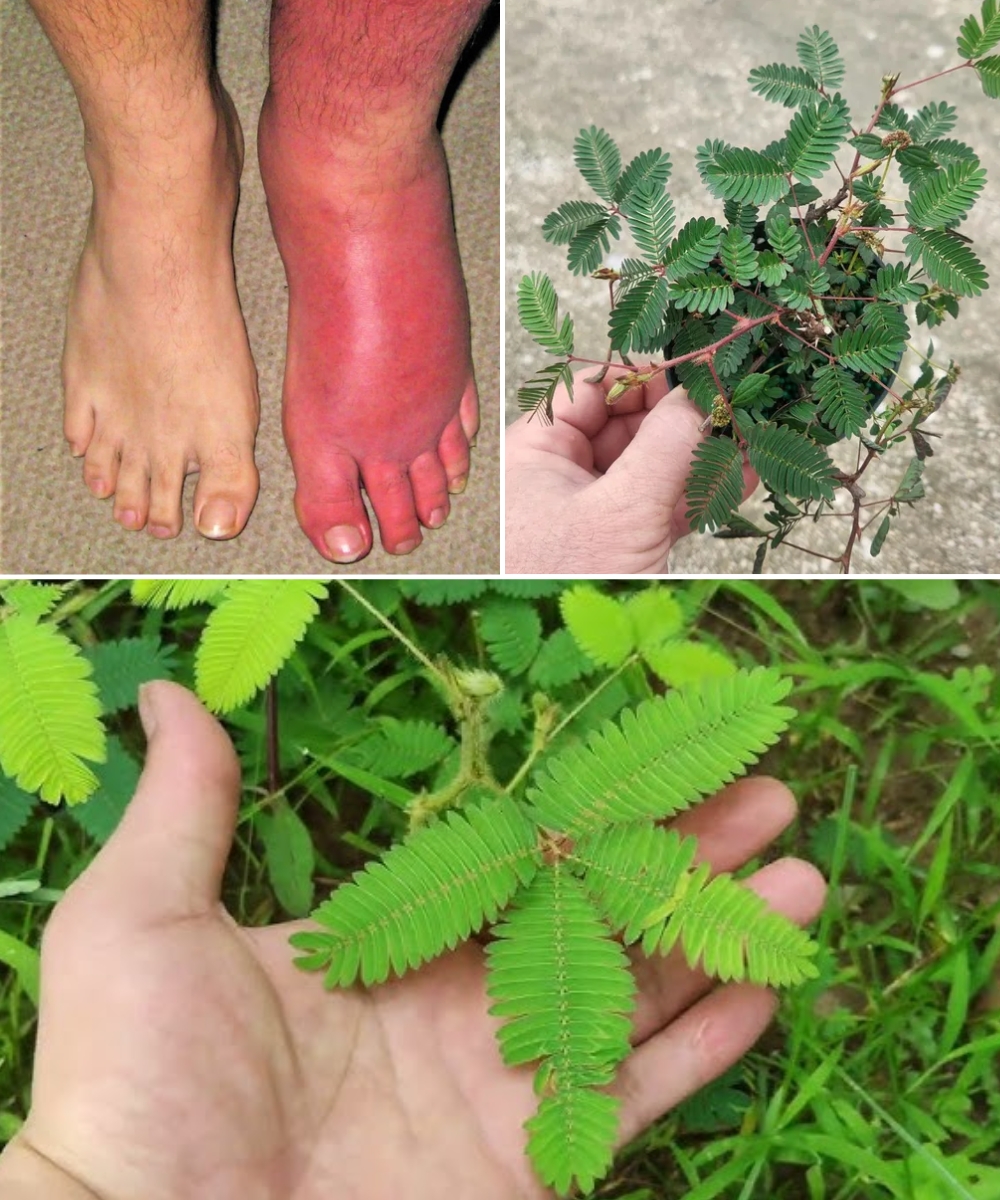
Have you ever met that little plant that folds its leaves when you touch it — the one often called the “sensitive plant” or “touch-me-not”? That’s Mimosa pudica — a charming little herb with a shy personality, and a surprising place in traditional herbal medicine. I thought I’d share a gentle little note about how it’s used, and how you might brew it as a tea if you’re curious (with a friendly reminder: always check with a professional if you’re using herbs for health).
First, a bit of background: different parts of this plant — the leaves, stems, roots — have been used by folk healers for a long time to ease digestive bumps (like mild upset or loose stools), or to support skin-healing when applied as a paste or wash. Some research and older traditions speak of its anti-microbial and astringent effects (thanks to tannins and flavonoids), and also potential support for inflammatory situations. It’s also been mentioned in settings of mild tension or restlessness, though that part is more anecdotal than solid science.
If you’re thinking of preparing a simple tea from Mimosa pudica: start by sourcing good-quality, organic material (if you don’t grow the plant yourself). Harvest young leaves (and tender stems if wanted), rinse gently, then air-dry in a shady, well-ventilated spot until crispy. For tea, use about a teaspoon of dried leaves per cup: bring filtered water to the boil, pour it over the leaves, cover and steep for 5–10 minutes, then strain and enjoy. You may like to add a little honey or a slice of lemon to brighten the flavour. The taste tends to be mild, a little earthy-herbal, so adjust steep time or quantity to your preference.
A few gentle safety reminders: Although this plant holds centuries of traditional use, modern clinical trials are still limited. So: start with a small amount to see how your body responds. If you experience nausea, rashes, or any unwanted effect, stop using it. If you’re pregnant or breastfeeding, or you’re on medication or have a chronic health condition, please talk with a qualified herbalist or healthcare professional before trying it. Also be sure you have the right plant (misidentification of herbs is more common than people realise).
Beyond a cup of tea, some folks make poultices or washes from the leaves or roots for minor skin irritations or wounds — again, with the caveat of ensuring safety (clean skin, reputable sourcing, awareness of allergies). And of course, our little sensitive friend is delightful to grow in a pot or garden just for the wonder of how it moves — a secret bonus if you’re also drawn to the beauty of nature.
To sum up: Mimosa pudica tea is a gentle, nature-inspired ritual rather than a guaranteed cure-all. If you’re curious and respectful of its roots (both botanical and cultural), it can be part of a calm, contemplative moment in your day. As always with natural medicine: moderation, informed choices, and kindness to your body will carry the day.